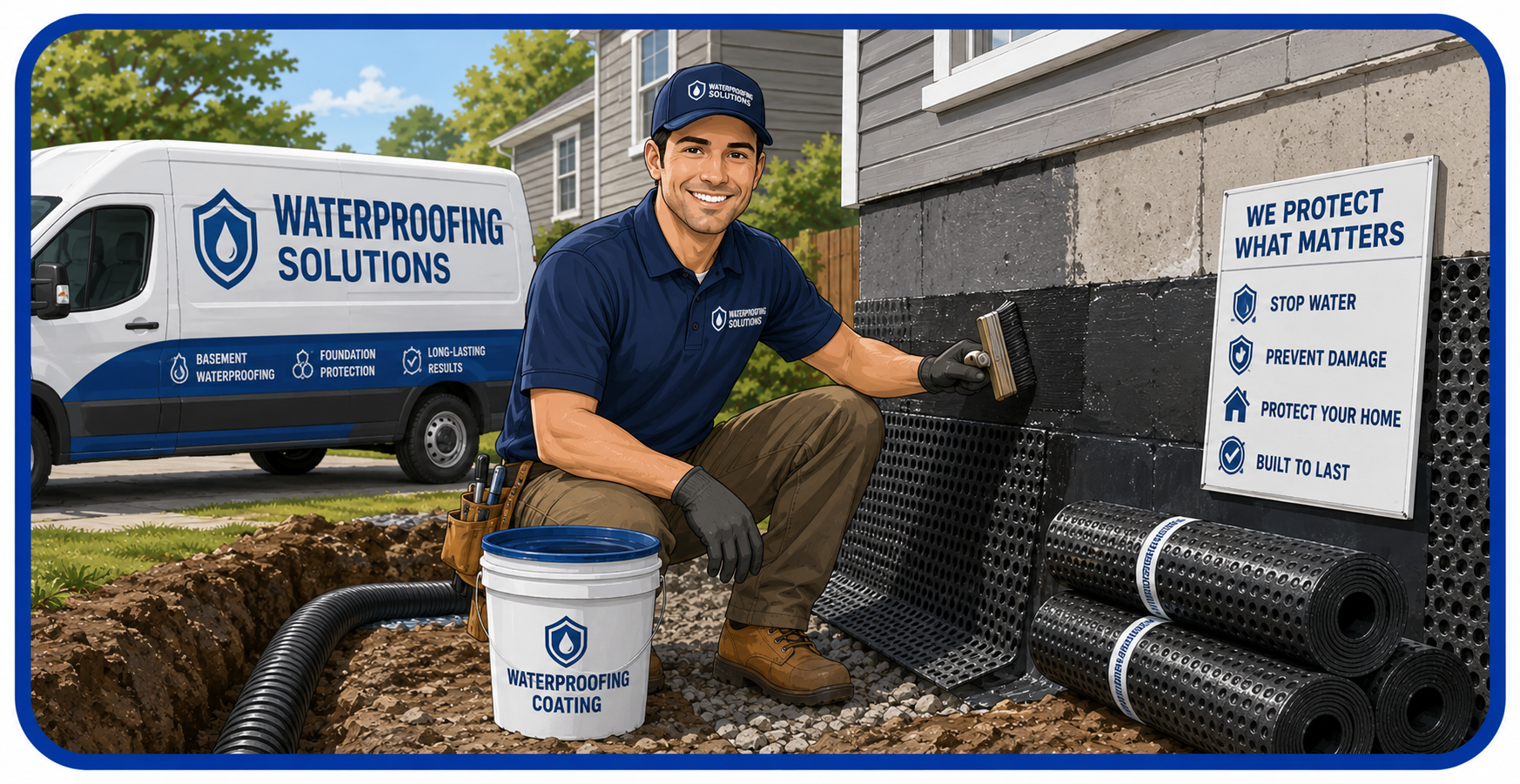
Every wet crawl space in Linwood is a slow-motion disaster for the wood structure above it. Our heavy-duty vapor barrier systems stop ground moisture permanently.
What makes our encapsulation installs last decades, not years.
Our material specs match what commercial builders require, not the minimum code standard for residential construction.
We seal every penetration -- pipes, posts, and support columns -- individually so the barrier is continuous with no gaps that allow moisture to bypass the system.
Sealed crawl spaces consistently show measurable reduction in heating and cooling costs because conditioned air is no longer exchanged with the unconditioned crawl space below.
Wood floor joists exposed to sustained humidity above 20 percent begin to lose structural integrity within a few years -- encapsulation stops that deterioration before it becomes expensive.
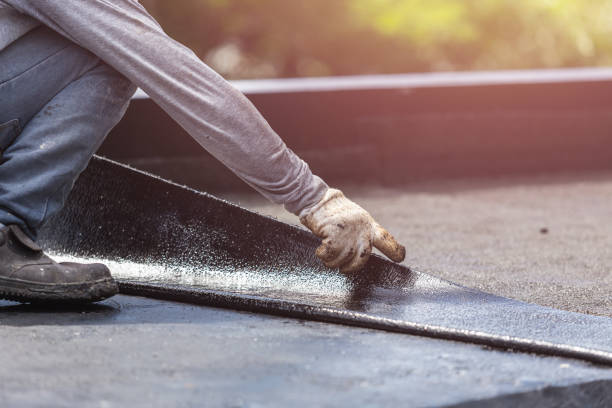
The science behind crawl space encapsulation centers on moisture vapor transmission from exposed soil surfaces. Even dry-looking crawl space soil emits moisture vapor continuously at a rate that can introduce gallons of water per day into the air under your home. Traditional building practice placed foundation vents to exhaust this moisture, but research has repeatedly shown that venting in humid climates introduces more moisture than it removes, because the air flowing in from outside is often more humid than the air inside the crawl space. Sealing the crawl space and managing its humidity with a rated dehumidifier consistently outperforms venting in NJ climates.
Seam treatment is what separates a professionally installed system from a DIY job that looks similar from a distance. Every seam in our installations is lapped a minimum of 12 inches and taped with a 4-inch crawl space tape rated for the temperature and humidity cycle of your crawl space. Penetrations for plumbing pipes, support columns, and structural posts are individually wrapped with additional barrier material and taped circumferentially so the junction between the pipe and the barrier is fully sealed. A barrier with unsealed seams can still allow significant moisture vapor migration because vapor follows the path of least resistance -- which is any gap, however small.
Wood rot in crawl space framing begins when wood moisture content exceeds approximately 19 to 20 percent and stays elevated long enough for decay fungi to establish. Decay fungi are present in virtually all soil and all crawl space environments -- the limiting factor is not their presence but the moisture level that allows them to become active. Floor joists exposed to a wet crawl space can develop visible decay within a few wet seasons, and the damage is progressive: soft spots in floors, squeaking from weakened joists, and in severe cases structural deflection in floor systems become evident. Our assessments photograph and document all floor joist and beam conditions so you understand the current state of your structure before and after encapsulation.
Crawl space dehumidification is the final element of a complete encapsulation system. Even a fully sealed crawl space generates some internal humidity from concrete foundation walls and the residual moisture in the soil, particularly in the first season after installation when the soil is transitioning to a lower equilibrium moisture content. A rated crawl space dehumidifier sized to the cubic footage of the space maintains interior relative humidity below the threshold that supports mold growth. We specify units with gravity drain or condensate pump to eliminate the manual emptying requirement, and we set the humidistat to an appropriate setpoint for Linwood, NJ conditions before completing each project.
Complete coverage from vapor barrier to dehumidification -- everything your crawl space needs.
20-mil reinforced poly barrier installed across the entire crawl space floor and up foundation walls, sealed at all seams and penetrations for complete moisture control.
Dehumidifier placement and airflow direction are planned to ensure even coverage of the entire sealed space, with no humidity pockets that allow localized moisture buildup.
Sealed vents are insulated to the same standard as foundation walls so the crawl space maintains a stable temperature that reduces condensation on HVAC equipment and plumbing.
When visible mold colonies are present on floor joists, sheathing, or structural framing, we treat affected surfaces with EPA-registered fungicidal solutions before installing the vapor barrier.
Where standing water enters the crawl space during heavy rain or due to a high water table, we install a dedicated crawl space drainage system that collects and removes water before the vapor barrier is installed.
Existing crawl space access hatches and exterior doors are insulated and sealed to prevent air infiltration that would bypass the encapsulation system at its perimeter.
We enter the crawl space and conduct a systematic inspection of all floor and wall surfaces, document moisture meter readings at multiple locations, photograph all floor joist and beam conditions, and identify every source of water or moisture entry before recommending any course of action.
Where mold remediation is needed, we complete EPA-registered fungicidal treatment and borate application before any encapsulation materials are installed, ensuring no active mold is sealed under the barrier.
Foundation vents are sealed with rigid foam insulation and spray foam adhesive, and the crawl space access hatch is fitted with an insulating door seal panel.
We take final moisture readings and photograph the completed installation before issuing your written warranty documentation and maintenance schedule.
We noticed musty smells from the first floor for years and assumed it was just an old house. After JCB Waterproofing and Construction encapsulated our crawl space, the smell was gone within two weeks and our summer electric bills dropped noticeably. Should have done this years ago.
The crew was thorough and professional. They explained what they found, showed me photos, and completed the work exactly as quoted. The crawl space is completely dry now and looks professionally done.
I got four quotes and JCB Waterproofing and Construction was the only company that gave me a written spec listing the mil thickness of the poly they were installing. That transparency is why I chose them and their work backed it up completely.
JCB Waterproofing and Construction serves Linwood and surrounding areas with certified crawl space encapsulation. Call for your free assessment today.
Call +1-866-476-1348 Now